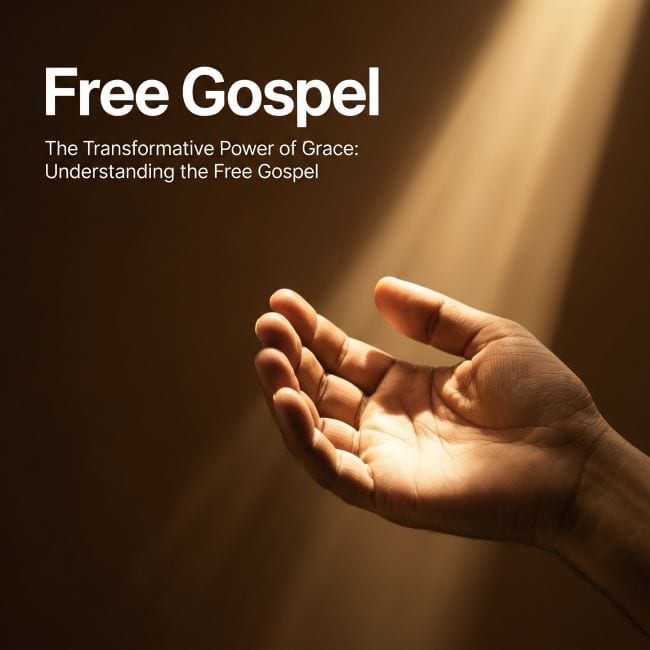
Explore the meaning of the free gospel and how it offers grace, forgiveness, and a transformed life without the need to earn God's love.
Some of the most precious things in life cannot be bought. Genuine love, true friendship, and the comfort of forgiveness are beyond monetary value. This truth resonates deeply with the core of the Christian gospel: it is a gift, freely given, not a transaction to be earned. God’s grace is abundant and unmerited, reaching out to us through Jesus Christ, inviting us into a relationship based not on our perfection or accomplishments but on His generous love.
Many people approach their relationship with God as if it were a job—believing that good deeds and moral behavior are prerequisites for acceptance. However, the gospel presents a different narrative. Salvation is described in the New Testament as a gift of grace, received through faith. It is not a reward for meeting spiritual benchmarks but a loving invitation to embrace a transformative relationship with God. This distinction offers profound relief. It allows individuals to approach God with honesty, bringing their doubts and imperfections without the burden of needing to prove their worth.
When we speak of the gospel being free, it does not imply that it is without value. The grace we receive comes at a significant cost—one that Jesus bore through His life, death, and resurrection. The offer of forgiveness and new life is rooted in God’s generosity, not our ability to repay Him. This can be challenging to accept, especially in a world that often equates worth with achievement. Grace invites us to recognize that our value is inherent, not contingent on our performance or accolades.
Moreover, the invitation of the gospel is one of freedom, not coercion. It is essential to understand that while the gospel is offered to all, it is not imposed upon anyone. People are encouraged to explore their faith, ask questions, and engage in sincere conversations without pressure or shame. When religious language is used manipulatively, it undermines the very essence of grace. The gospel should be shared with kindness and respect, allowing individuals to make their own choices regarding faith.

SEVEN PILLARS OF SALVATION: A Clear Path to Faith, Peace, and Eternal Joy
Continue growing with this selected faith-building resource.
Read the BookReceiving grace leads to a profound shift in how we live our lives. Rather than striving to earn God’s love, Christians are called to live in response to the love they have already received. This realization can transform our everyday actions. Those who have experienced forgiveness are empowered to forgive others. Those who have felt mercy are inspired to extend it. Gratitude for grace fosters a spirit of generosity, service, and genuine care for our neighbors—not as a means of payment for salvation but as the natural fruits of a life transformed by grace.
It is also important to acknowledge that Christians do not always embody this message perfectly. There are moments when the church and its members fail to reflect the compassion and love they profess. Recognizing this gap is crucial; acknowledging our need for mercy is a reminder that everyone is on a journey of growth and understanding.
The phrase "the gospel is free" encapsulates a beautiful promise: there is no need to earn your way into God’s love. Regardless of your past or present struggles, the invitation to seek God begins with grace. For those exploring faith, this can be a comforting starting point—whether through honest questions, quiet prayers, or conversations with welcoming Christians. There is no requirement to feign certainty or perfection.
Ultimately, the gospel is not an empty promise; it is filled with the potential for forgiveness, belonging, hope, and transformation. It is a gift to be received and shared, a source of grace that can change lives. Embracing this truth opens up a pathway to a deeper understanding of both ourselves and the world around us, inviting us to live out our faith with authenticity and love.
Focus keyword: Free Gospel