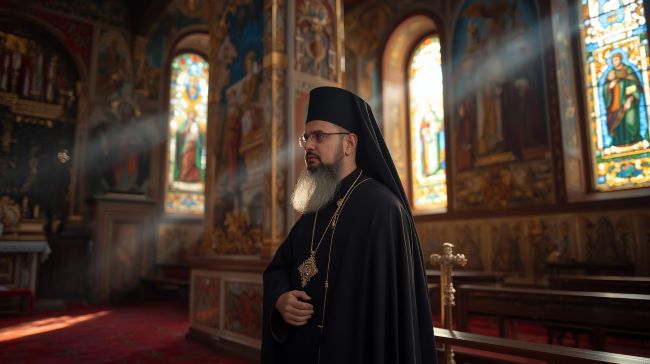
The relationship between the Russian Orthodox Church and the Russian state is complex and historically significant, deeply intertwined with Russian politics and, increasingly, foreign policy. This article explores the role of the Russian Orthodox Church (ROC) in shaping Russia’s international relations, particularly its use of Orthodoxy as a tool of soft power and its stance on the war in Ukraine.
Historical Context of the Russian Orthodox Church
Origins and Development of Russian Orthodoxy
The Russian Orthodox Church traces its origins to the baptism of Rus’ in 988, marking a pivotal moment in the region’s religious and cultural development. This event linked the nascent Russian state to the Byzantine world, establishing Orthodoxy as the dominant faith and influencing the formation of Russian identity and values. The Russian church subsequently evolved, becoming a central institution within Russian society.
Church-State Relations in Russian History
Throughout Russian history, the relationship between the Russian Orthodox Church and the Russian state has fluctuated. Periods of close cooperation and mutual support alternated with times of tension and subordination. The Moscow Patriarchate’s rise in prominence mirrored the consolidation of Russian power, with the church often serving as a legitimizing force for the ruling authority. This historical interplay has shaped the church’s present-day political influence.
Impact of the Church on Russian Identity
The Russian Orthodox Church has profoundly impacted Russian identity, shaping the nation’s cultural, moral, and spiritual values. Orthodoxy has been portrayed as a defining characteristic of Russian civilization, distinguishing it from the West and influencing its geopolitical outlook. The church’s role in preserving and promoting traditional values has further solidified its importance within Russian society, influencing Russian political discourse.
The Russian Orthodox Church’s Influence on Current Politics
Church Support for the Kremlin
The Russian Orthodox Church, under the leadership of Patriarch Kirill, has demonstrated strong support for the Kremlin and President Vladimir Putin. This alignment has solidified the church’s position as a key ally of the Russian state, with the patriarch frequently endorsing Putin’s policies and framing them as a defense of traditional values and Russian interests, thereby strengthening the Kremlin’s influence within the church.
Patriarch Kirill’s Role in Politics
Patriarch Kirill’s role in Russian politics extends beyond mere endorsement, involving active participation in shaping the narrative surrounding key political events. His pronouncements on issues such as the war in Ukraine reflect the Russian authorities’ stance, often framing the conflict as a struggle against Western decadence and a defense of Christian values. The Patriarch’s political influence is undeniable.
Orthodoxy as a Tool of Soft Power
The Russian Orthodox Church serves as a crucial instrument of soft power for the Russian state, particularly in regions with significant Orthodox Christian populations. The ROC’s extensive network of parishes and affiliated organizations allows Moscow to exert Russian influence abroad, promoting a positive image of Russia and cultivating support for its foreign policy objectives. This is evident in its relationship with the Ukrainian Orthodox Church.
In conclusion, the Russian Orthodox Church wields considerable influence on Russian politics, particularly in foreign policy. Its support for the Kremlin, involvement in political discourse, and use as a soft power tool highlight its integral role in shaping Russia’s international relations. The church’s alignment with the Russian state, especially under President Vladimir Putin and Patriarch Kirill, has significant implications for global affairs and the ongoing war in Ukraine, as well as the relations within the Ukrainian Orthodox Church.
The Church’s Stance on the War in Ukraine.
Official Statements from the ROC on Ukraine
Since the 2022 invasion of Ukraine, the Russian Orthodox Church, under Patriarch Kirill, has issued several statements addressing the conflict. While calling for peace, the Patriarch has often framed the war in Ukraine within a broader context of geopolitical struggle against Western values, portraying it as a defense of traditional values and the canonical unity of the Russian Orthodox Church. These official statements align with the Kremlin’s narrative, thereby reinforcing the Russian state’s position on the international stage.
Public Perception of the Church’s Position
Public perception of the Russian Orthodox Church’s stance on the war in Ukraine is divided. Within Russia, many Orthodox Christians support the Church’s position, viewing it as a defense of Russian interests. However, internationally, and particularly in Ukraine, the ROC’s stance has drawn criticism, with some Ukrainian Orthodox Church leaders distancing themselves from the Moscow Patriarchate. This division highlights the complex interplay between religion, politics, and national identity in the region, impacting the Church’s influence.
Implications for Russian Foreign Policy
The Russian Orthodox Church’s support for the war in Ukraine has significant implications for Russian foreign policy. It reinforces the Kremlin’s narrative, both domestically and internationally, and strengthens Russia’s image as a defender of traditional values. This support also allows the Russian state to leverage the Church’s extensive network to spread Russian influence and propaganda. This alignment showcases how religious institutions play a vital role in shaping Russia’s geopolitical strategies.
The Intersection of Religion and Foreign Policy.
How the Church Shapes the Kremlin’s Foreign Policy
The Russian Orthodox Church plays a crucial role in shaping the Kremlin’s foreign policy by providing a moral and spiritual justification for its actions. The Church’s emphasis on traditional values and Russian exceptionalism aligns with the Kremlin’s broader foreign policy objectives, allowing the Russian state to frame its actions as a defense of these values against external threats. This alignment between the Church and the Russian authorities strengthens the Kremlin’s political influence.
Religious Justifications for Political Actions
Religious justifications often underpin the Kremlin’s political actions, particularly in its foreign policy. The Russian Orthodox Church provides a theological framework that supports the narrative of Russia as a unique civilization with a special mission to protect Orthodox Christians and traditional values. This religious justification is particularly evident in the context of the war in Ukraine, where the defense of Orthodox communities has been cited as a key rationale by President Vladimir Putin.
The Role of Russian Orthodoxy in International Relations
Russian Orthodoxy plays a significant role in international relations, particularly in regions with substantial Orthodox Christian populations. The Russian Orthodox Church, with its extensive network of parishes and affiliated organizations, serves as a tool of soft power for the Russian state. It promotes a positive image of Russia, cultivates support for its foreign policy objectives, and strengthens Russian influence abroad, thereby shaping international relations.
Conclusion.
Summary of Key Points
Throughout this exploration, we’ve examined the profound influence of the Russian Orthodox Church (ROC) on Russian politics, especially in shaping foreign policy. From its historical roots and role in defining Russian identity to its current alignment with the Kremlin and Patriarch Kirill, the Church’s impact is undeniable. The ROC’s support for President Vladimir Putin and its use as a soft-power tool underscore its integral role in Russia’s international relations.
Future Implications for Russian Politics
Looking ahead, the relationship between the Russian Orthodox Church and the Russian state is likely to remain strong, with the Church continuing to play a significant role in shaping Russian political discourse and foreign policy. The ongoing war in Ukraine and the broader geopolitical tensions between Russia and the West will further solidify this alignment, as the Kremlin seeks to leverage the Church’s influence to bolster its position both domestically and internationally. The future of the Ukrainian Orthodox Church is closely linked.
The Ongoing Influence of the ROC
The influence of the Russian Orthodox Church extends beyond its immediate political and religious roles. It shapes cultural norms, promotes traditional values, and contributes to the overall sense of Russian national identity. As long as the Church maintains its close ties with the Russian state and continues to serve as a source of legitimacy for the Kremlin, its influence on Russian politics and foreign policy will endure, thereby affecting international relations.